
 中文简体
中文简体
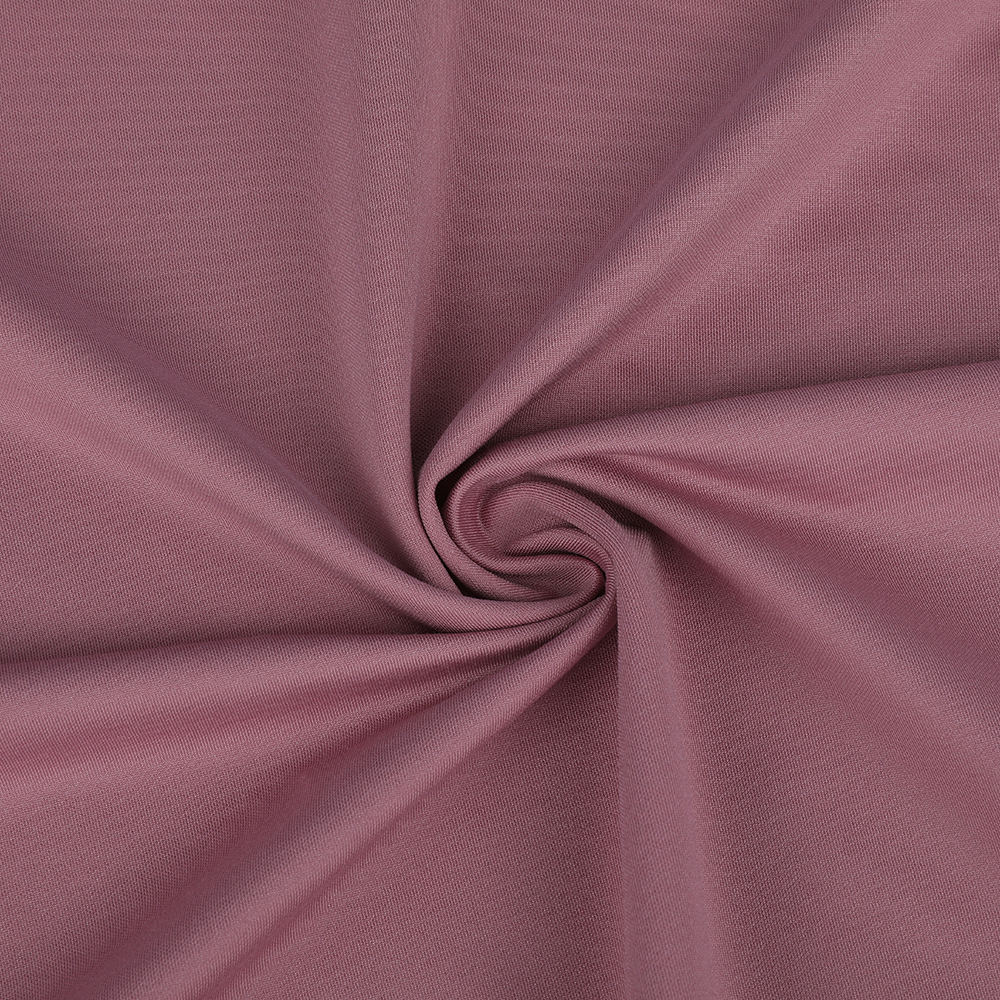
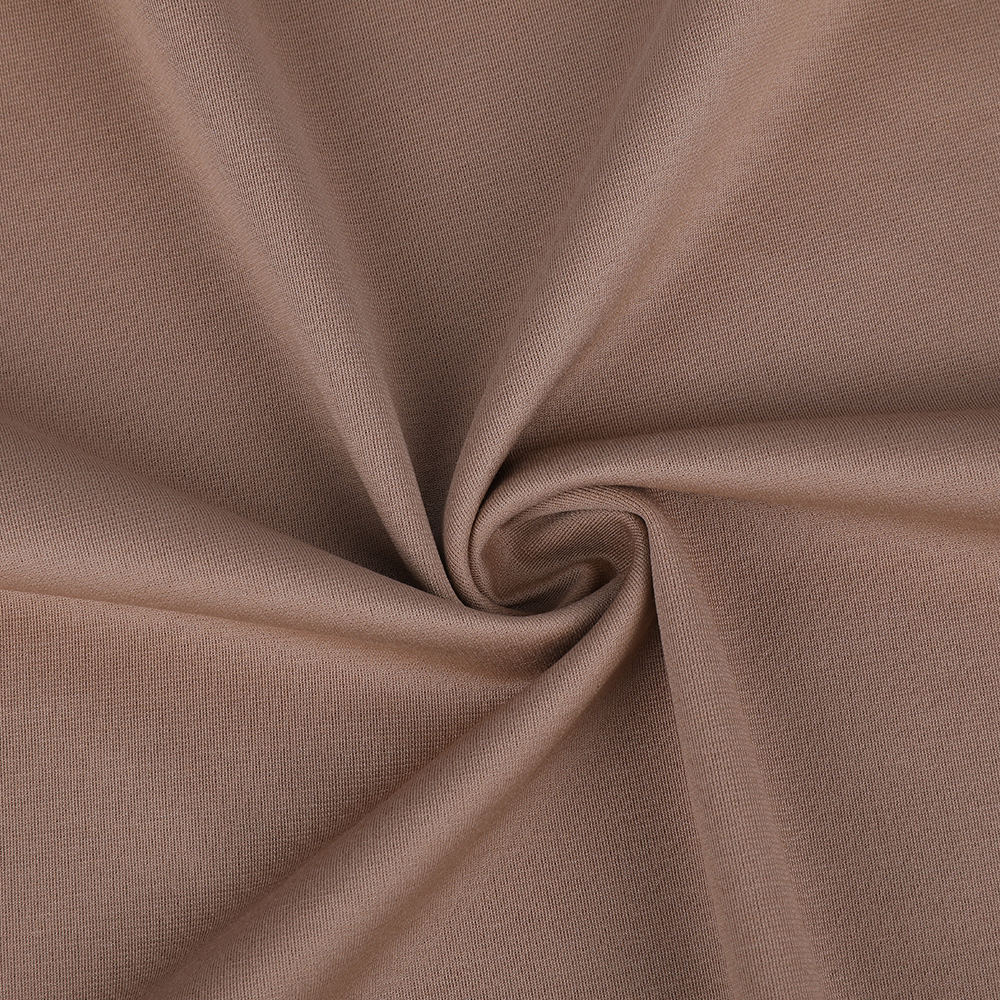
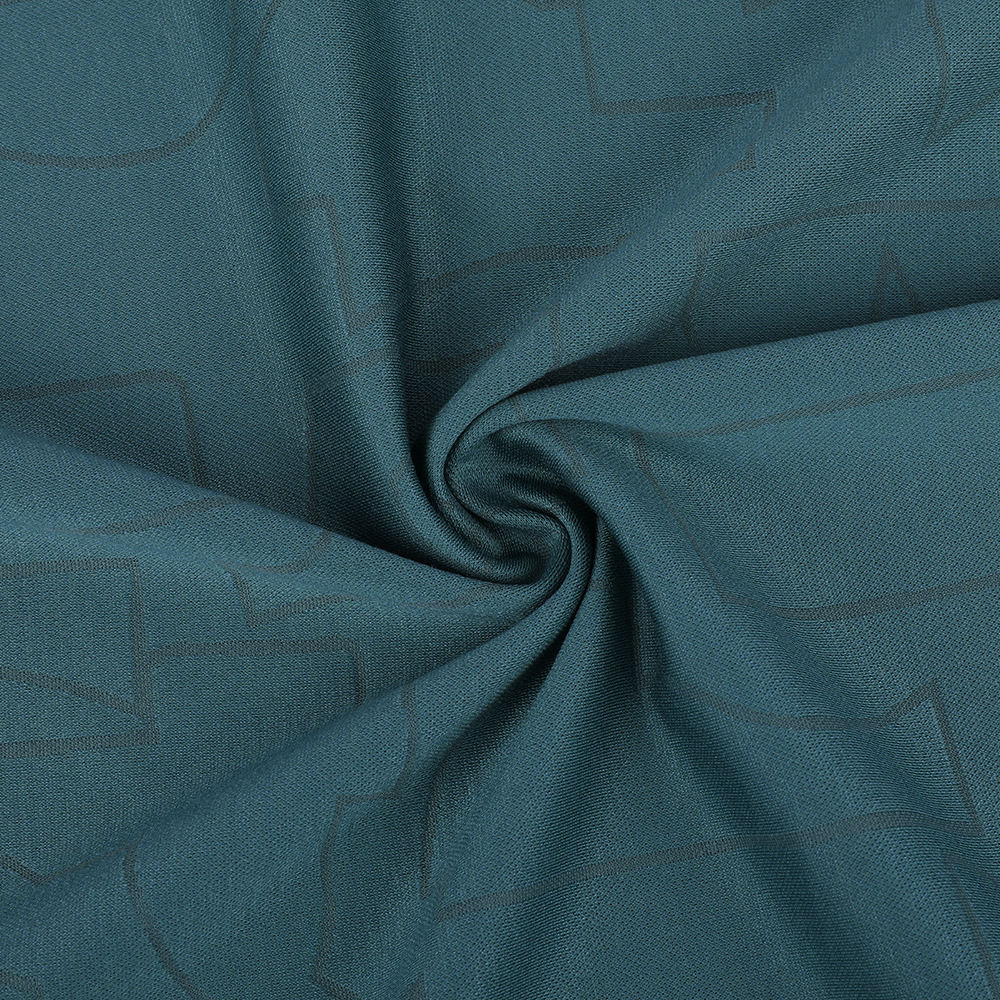
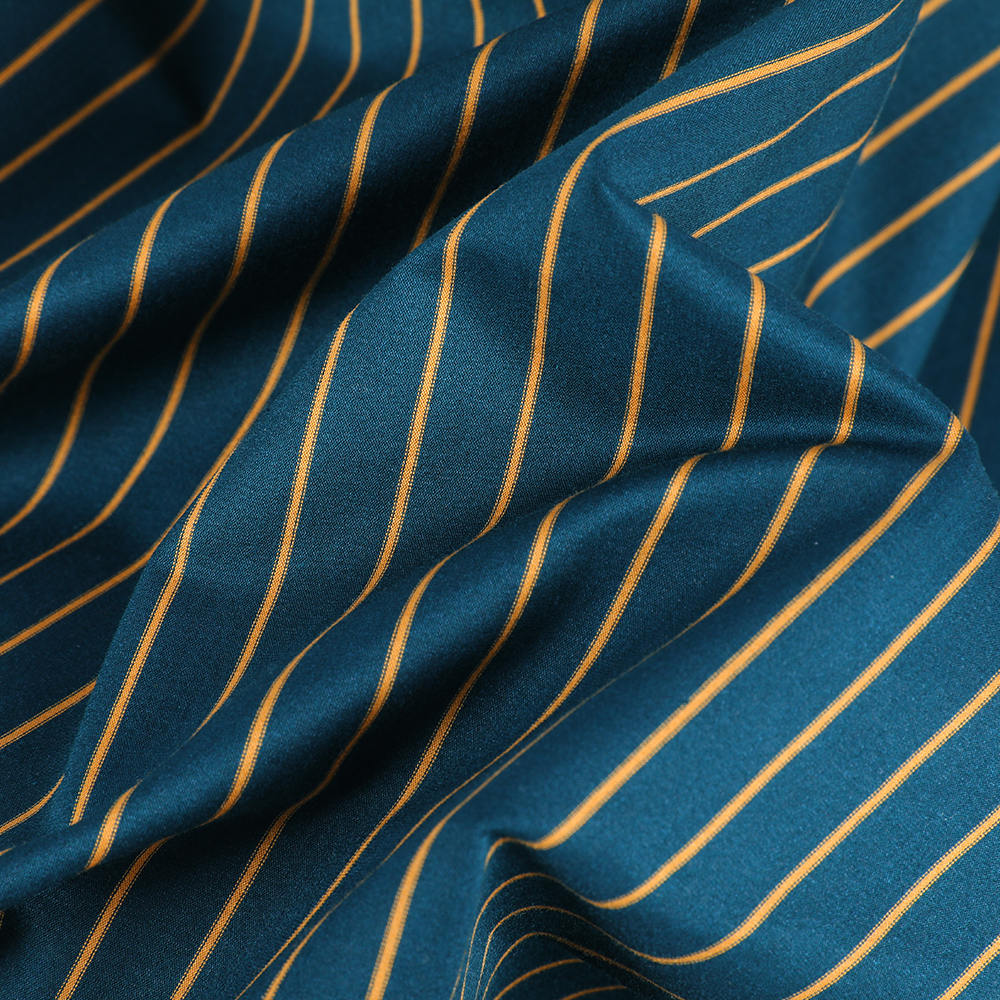
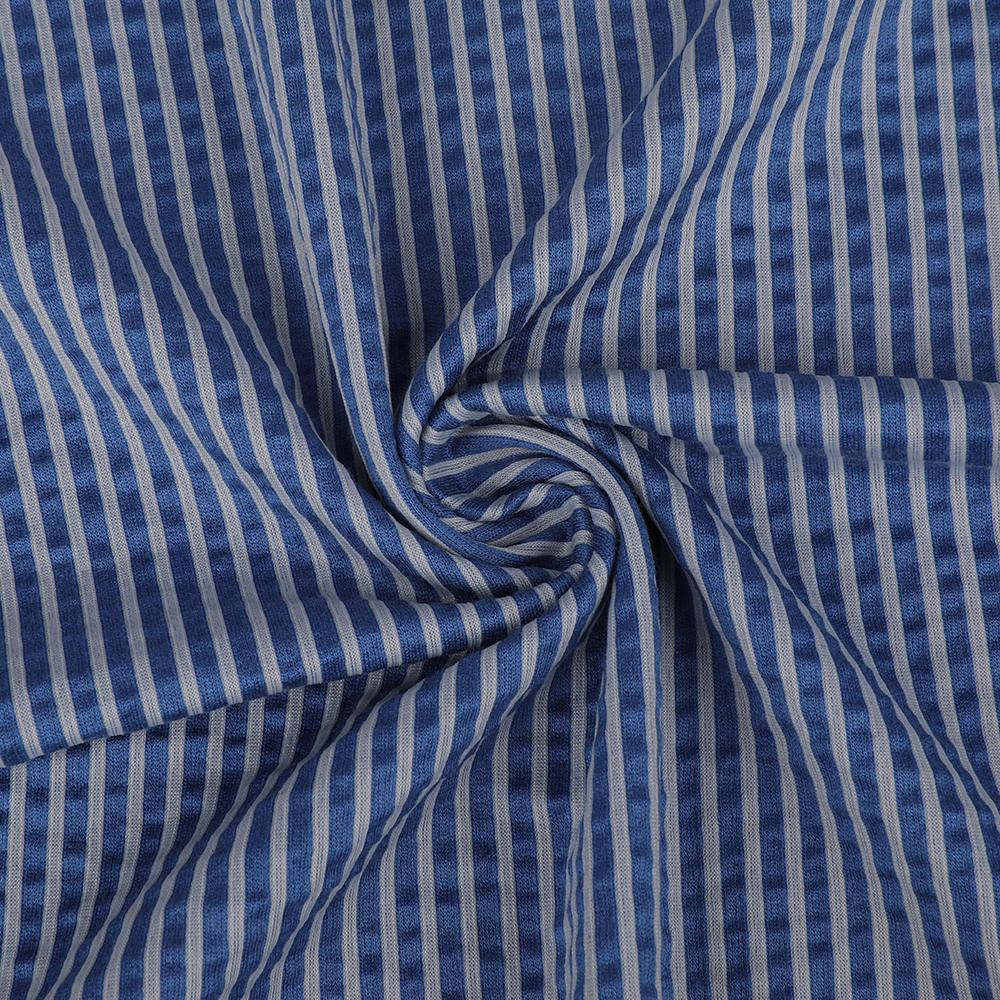
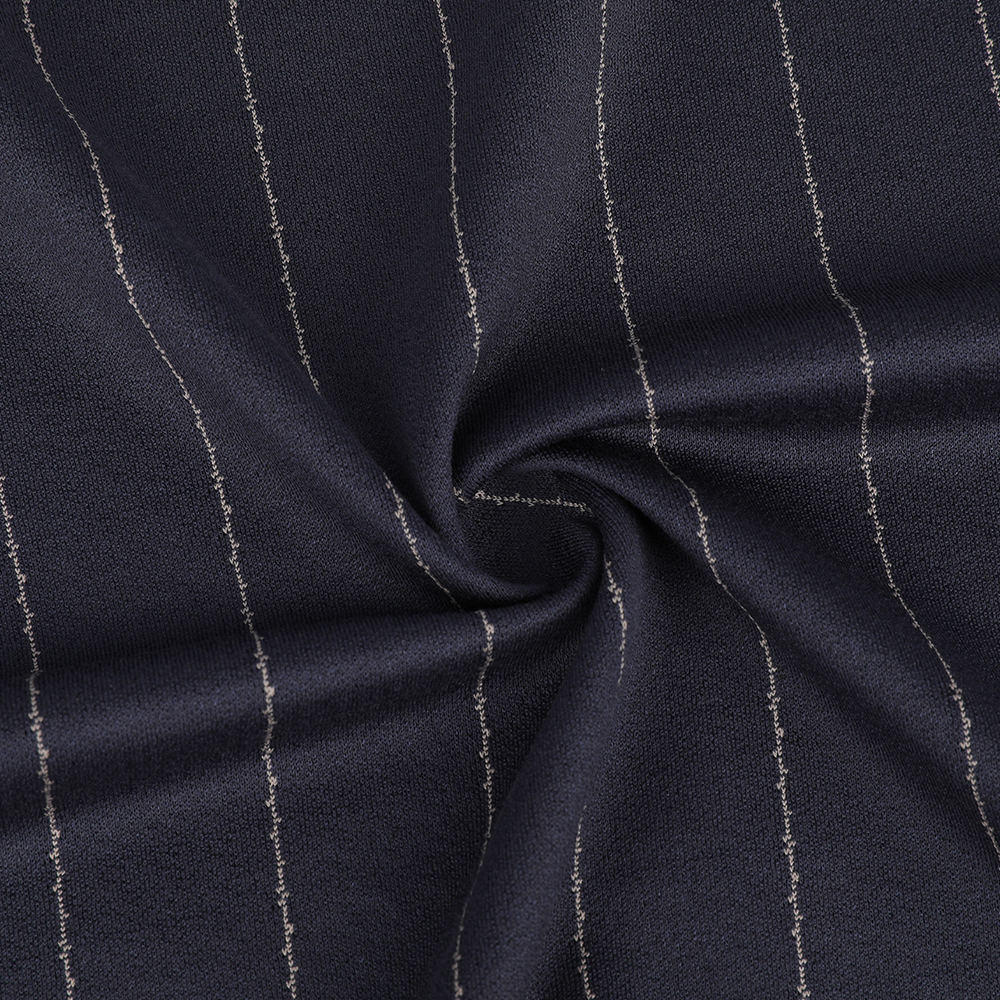
في هندسة النسيج، نسيج قميص محبوك يشير إلى فئة من الهياكل المحبوكة باللحمة المصممة لتوفير الراحة والثني وثبات الأبعاد في الملابس العلوية. توفر هذه المقالة تحليلاً فنيًا متعمقًا يستهدف ...
اقرأ المزيد
مخصص نسيج قميص القطن الحريري
نسيج قميص القطن الحريري هو مادة مختلطة تجمع بين خصائص الحرير والقطن. وهي مصنوعة من حرير التوت الطبيعي والألياف القطن عالية الجودة. لا يحافظ فقط على اللمسة السلسة ، والتهوية الجيدة وامتصاص الرطوبة ، ووظيفة العرق للحرير ولكن أيضًا لها المتانة ومقاومة تجاعيد القطن. هذا النسيج ناعم إلى اللمس ، مريح للارتداء ، ومناسب للارتداء في ظروف المناخ المختلفة.
عادةً ما تحتوي قمصان القطن الحريرية على قوام حساسة وألوان ناعمة. لونه دافئ وبريقه طبيعي ، والذي يمكن أن يظهر جمالًا منخفضًا ومقيدًا. يمكن أن تنظم قابلية التنفس الجيدة وتوصيل الرطوبة بفعالية درجة حرارة الجسم والحفاظ على جفاف الجلد بحيث يمكنك أن تظل مرتاحًا حتى لو ارتدتها لفترة طويلة. تمت معالجة نسيج القطن الحريري خصيصًا ولديه مقاومة تجاعيد جيدة ومقاومة ارتداء. من السهل الاعتناء به وليس من السهل تشويه حتى لو تم غسله للماكينة ، مما يضمن متانة الملابس.
عن
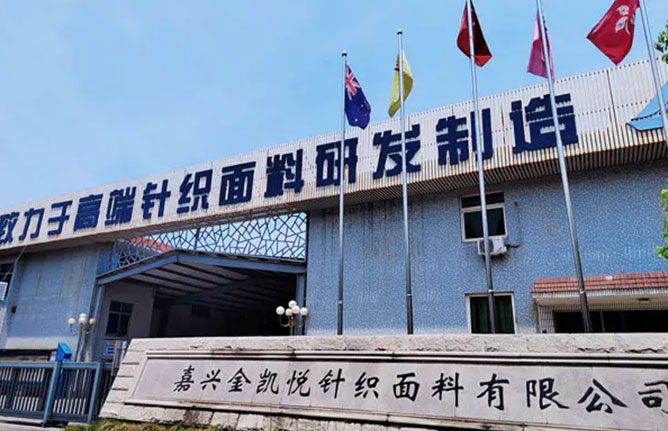
Jiaxing Jinkaiyue Kewnted Fabric Co. ، Ltd.
تأسست في عام 2000، Jiaxing Jinkaiyue Knitted Fabric Co., Ltd. متخصصة في إنتاج الأقمشة المحبوكة عالية الجودة، وتتخصص الشركة في مجموعة واسعة من الأقمشة، بما في ذلك الحرير والقطن طويل الأمد والكتان والصوف والكشمير والألياف المخلوطة المختلفة.
مثل
الصين مخصص نسيج قميص القطن الحريري الشركة المصنعة و
نسيج قميص القطن الحريري المصانع والموردين, تستخدم جين هايت آلات حياكة دائرية متطورة تُنتج أنواعًا متنوعة من أقمشة الجيرسي المفردة والمزدوجة. تشمل منتجاتنا الغرزة العادية، والحياكة المضلعة، والجاكار، وعمليات حياكة أكثر تعقيدًا مثل حياكة الوبر العالي، وحياكة الفقاعة المفردة، وحياكة نقل الحلقات، وحياكة الشال، وحياكة العروة، وحياكة الضلع السويسري، وحياكة الرومانية بستة تمريرات. نقدم
نسيج قميص القطن الحريري يبيع.
تضم الشركة حوالي 300 موظف، 20% منهم يعملون في البحث والتطوير والتكنولوجيا والتصميم. ولضمان جودة أعلى، استثمرت جين كايوي في معدات متطورة من إيطاليا وألمانيا وسويسرا واليابان وتايوان.
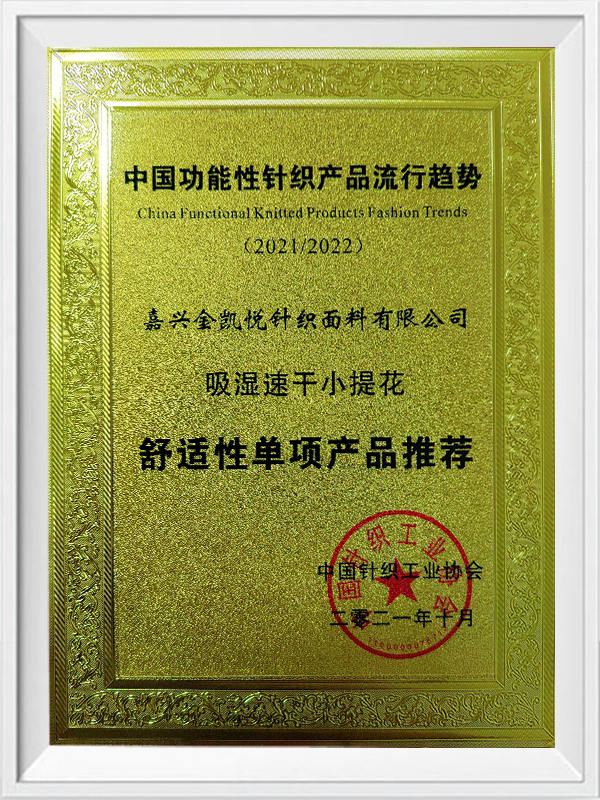
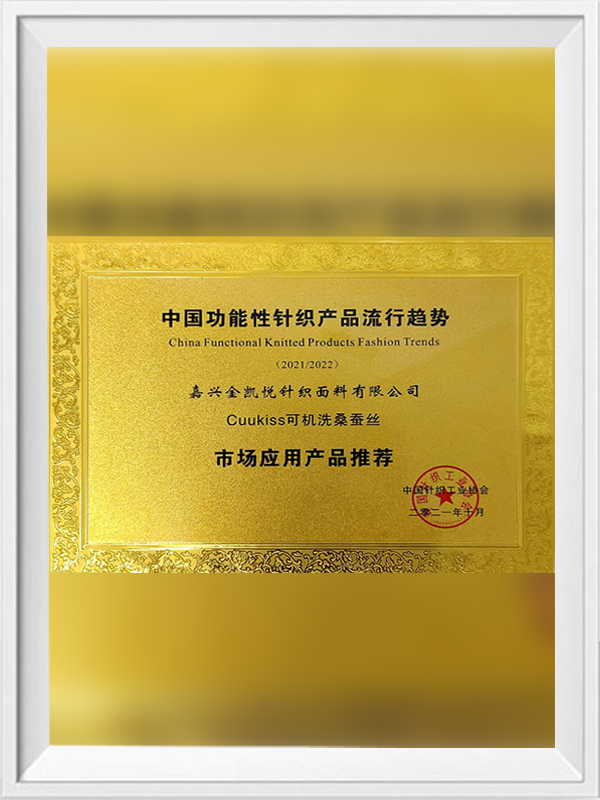
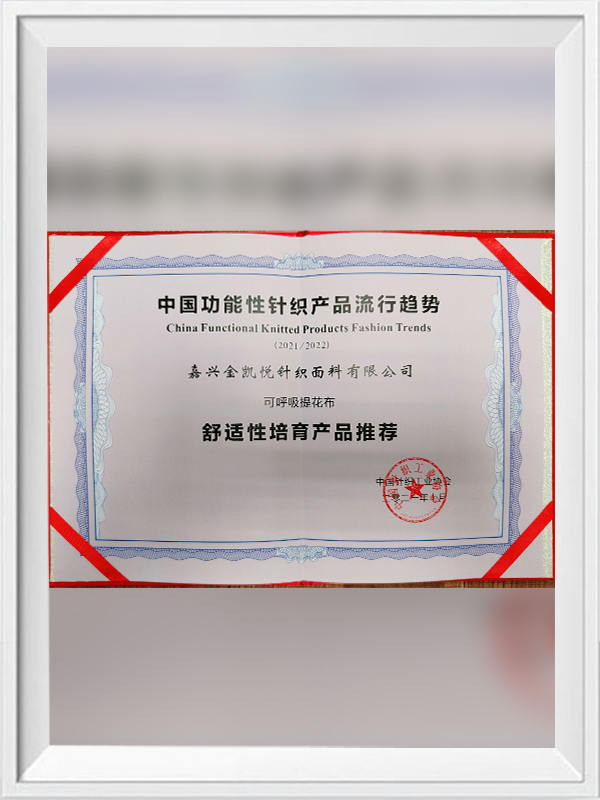
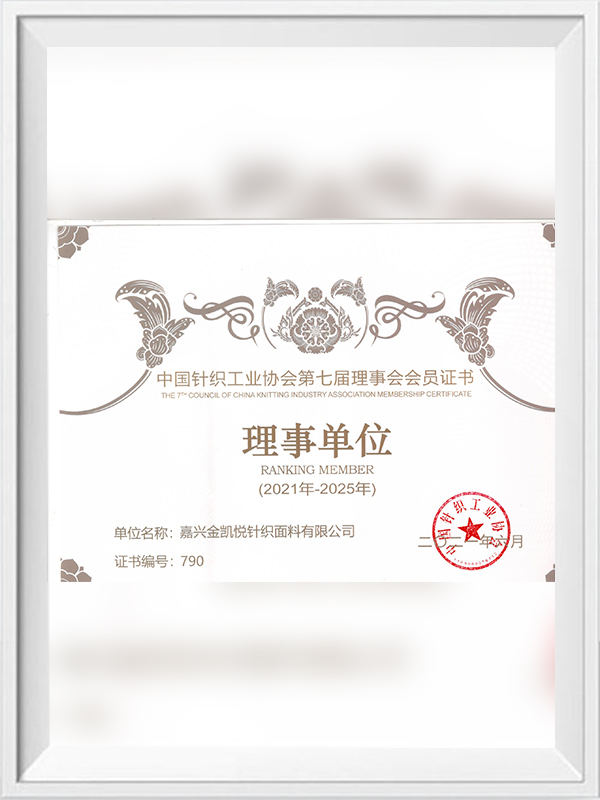
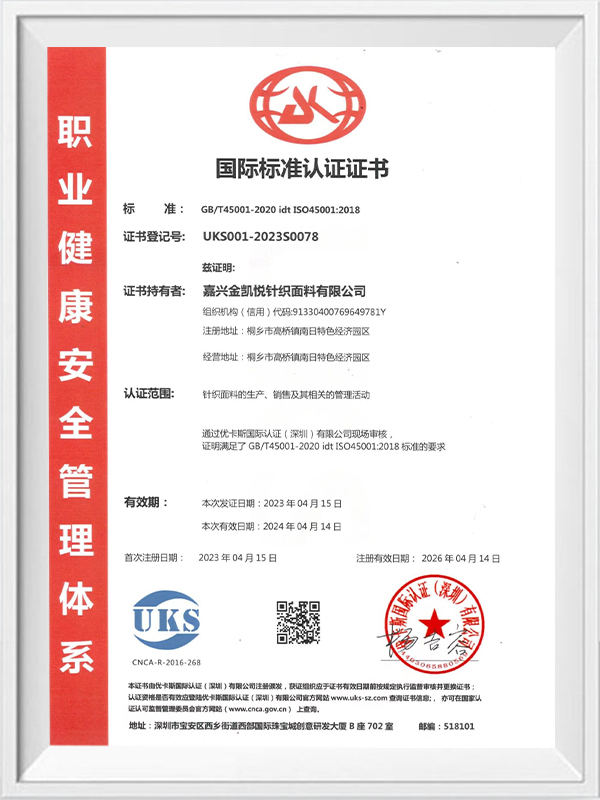
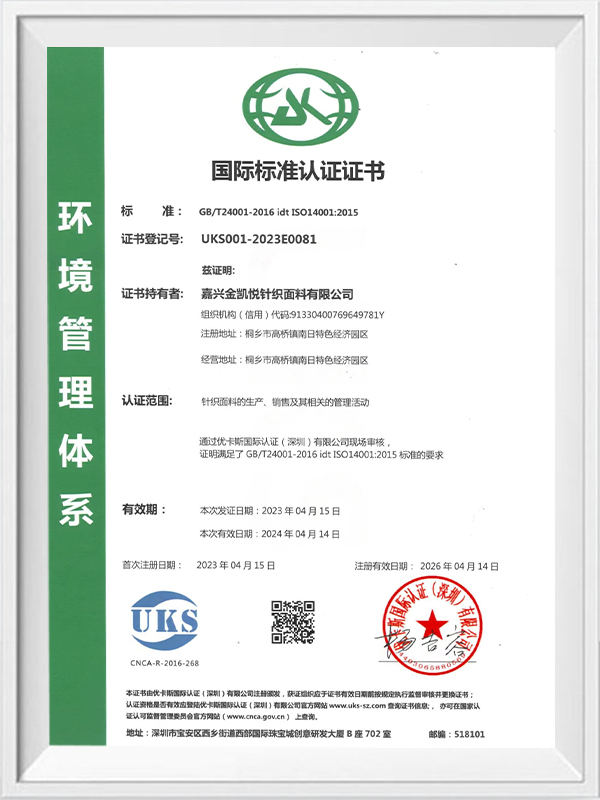
شهادة شرف
أخبار
-
-
مقدمة: أساس المحملة المثالية تعتبر هذه التيشيرت المتواضعة قطعة أساسية في خزانة الملابس العالمية، ولكن ليست كل التيشيرتات متساوية. يكمن الاختلاف العميق بين القميص العادي والقميص الذي يبدو وكأنه ط...
اقرأ المزيد -
كهندسة النسيج والملابس كمزود للحلول، تتخصص شركتنا في تحديد مصادر وتقييم وتوريد مواد النسيج المتقدمة لمصنعي الملابس والعلامات التجارية وفرق المشتريات B2B في جميع أنحاء العالم. إحدى الفئات التي شهدت ...
اقرأ المزيد -
1. لماذا يعتبر مزيج القطن والحرير الاختيار الذكي للقمصان المخصصة الراقية؟ غالبًا ما يؤدي السعي وراء نسيج القميص المثالي إلى معضلة كلاسيكية: الشعور الفاخر بالحرير مقابل الراحة العملية للقطن. ومع ...
اقرأ المزيد -
استكشاف فوائد نسيج الجاكار المرسيريزد للبشرة الحساسة غالبًا ما يواجه الأفراد ذوو البشرة الحساسة صعوبة في العثور على المنسوجات التي توفر لهم الراحة دون التسبب في التهيج، حيث يتم البناء بشكل محدد ...
اقرأ المزيد
نسيج قميص القطن الحريري المعرفة الصناعية
How to determine the optimal silk and cotton fiber blend ratio for silk-cotton shirt fabrics to achieve ideal softness, breathability and durability?
In the textile industry, the development and production of blended fabrics has always been a combination of technology and art. As the preferred material for high-end shirts, the balance of softness, breathability and durability of silk cotton shirt fabrics is a common focus of consumers and manufacturers. Jiaxing Jinkaiyue Knitted Fabric Co., Ltd., as a leader in the textile industry, is well aware of the importance of efficient management and integrated production processes, and also deeply understands the decisive influence of raw material selection and blending ratio on the performance of the final product.
Advantages and Challenges of Silk-Cotton Blending
Silk-cotton blended fabrics combine the dual advantages of silk and cotton fibers. Silk is known for its good gloss, softness, smoothness and good breathability, while cotton fibers are known for their strong moisture absorption, good wear resistance and good warmth retention. The combination of the two can theoretically create an ideal fabric that is both soft and breathable, and has a certain degree of durability. However, how to find the best blending ratio to maximize these properties is a major challenge in the production process.
Considerations for determining the optimal blending ratio
Softness: Silk is significantly softer than cotton, so increasing the proportion of silk can improve the softness of the fabric. However, too high a silk ratio may increase the fabric cost and may affect durability.
Breathability: Both silk and cotton fibers have good breathability, but silk is more breathable. However, breathability is also affected by the fabric structure and post-processing process.
Durability: Cotton fibers have high abrasion resistance and strength, so increasing the proportion of cotton fibers can improve the durability of the fabric. However, too much cotton fiber may reduce the softness and glossiness of the fabric.
Experimentation and optimization
In order to find the best silk-cotton blending ratio, manufacturers usually conduct a lot of experiments. The following is a possible experimental procedure:
Set the blending ratio range: Based on preliminary market research and production cost considerations, set a reasonable blending ratio range, such as 20% silk to 80% silk.
Make samples: Make fabric samples according to different blending ratios.
Performance testing: Test the samples for softness, breathability, and durability. The test methods include but are not limited to hand feel evaluation, air permeability tester and abrasion resistance test.
Data analysis: According to the test results, analyze the impact of different blending ratios on fabric performance.
Optimization and selection: According to the analysis results, select the best blending ratio. This is usually a balance point, that is, finding the best balance between softness, air permeability and durability.
Actual cases and recommended ratios
In actual production, the optimal ratio of silk-cotton blends often varies depending on product positioning, market demand and production costs. But in general, for shirt fabrics that pursue high-end texture and comfort, it is recommended to use a higher silk ratio, such as a blending ratio of 50% silk and 50% cotton fiber, or a higher blending ratio of 70% silk and 30% cotton fiber. Such a ratio can provide sufficient air permeability and a certain degree of durability while ensuring the softness and glossiness of the fabric.
In the development and production of silk-cotton shirt fabrics, Jiaxing Jinkaiyue Knitted Fabric Co., Ltd. has fully utilized its advantages in efficient management of raw materials and finished product storage and integration of production processes. The company strictly screens raw materials to ensure the high quality of silk and cotton fibers. At the same time, by optimizing the production process, improving production efficiency and reducing costs, it provides consumers with more cost-effective silk-cotton shirt fabrics.
Determining the optimal silk-cotton fiber blending ratio for silk-cotton shirt fabrics is a complex and meticulous process that requires comprehensive consideration of multiple factors such as softness, breathability and durability. Through scientific experiments and optimization steps, the best balance can be found to provide consumers with high-quality, cost-effective silk-cotton shirt fabrics.
تتوافق قدراتنا التصنيعية مع قدراتنا القوية في مجال البحث والتطوير، مما يمكننا من تقديم عدد كبير من المشاريع بجودة أفضل وجداول زمنية أقصر.
قدرات التصنيع
تعزز قدرات التصنيع القوية قدرتك التنافسية
-

ولضمان جودة أفضل، استثمرت شركة جين هايات في آلات متطورة من إيطاليا وألمانيا وسويسرا واليابان وتايوان.
-

تتعامل الشركة بشكل أساسي مع مجموعة متنوعة من المواد، بما في ذلك حرير التوت، وقطن الأمونيا السائل، والصوف، والكشمير، وأقمشة الرياضة الخارجية ومزائج الألياف المختلفة.
-

تدير الشركة بكفاءة تخزين المواد الخام والمنتجات النهائية، وتدمج عملية الإنتاج بأكملها وتحسن الكفاءة الشاملة.
-

تستهدف الشركة السوق الراقية بأقمشة محبوكة عالية الجودة وتخصص 20% من قوتها العاملة للبحث والتطوير لتعزيز قيمة المنتج والقدرة التنافسية.
حقوق الطبع والنشر © Jiaxing Jinkaiyue Kewnted Fabric Co. ، Ltd.
